

In mainstream fitness and rehab spaces it’s become completely normal to only prescribe stretching as the fix for tightness.
You’ve probably been told to stretch your hip flexors, hamstrings, or some other “tight” area to feel better.
And maybe you do feel a temporary release, but by the next day, the tightness is back.
For years
I felt extremely tight in my hamstrings
I did the foam rolling, the stretching, the occasional massage
But the tightness never left
In the back of my mind, I’d always say
“If only I had more time to stretch, this would go away”
It took me years to learn this:
Your body doesn’t get tight just to get tight
It gets tight to protect you
And it’s no surprise
We live in a system that constantly tells us to bulldoze through the body’s signals
To ignore the why
And just fix the symptom
Stretching often only treats the symptom
It overlooks the deeper reason your body is holding on in the first place
Tightness can come from stress, lifestyle patterns, or a lack of stability in your posture.
Your body holds tension when it doesn’t feel safe.
In this video, I share why stretching alone hasn’t been working and how a lack of stability might be the missing piece.
And keep reading because I’m also sharing three things I’ve done this year that have significantly improved my health.
Three Things That Significantly Improved My Health This Year
Please do your own research before trying anything new. I am simply sharing what worked for me.
1. Finally found a way to sustainably increase my ferritin & iron level
I have struggled with low iron and ferritin for years. I was plant based for over a decade, also went through hormonal issues that led to a year long period of heavy bleeding. Even after supplementing with iron consistently (this one was the only one that ever made a dent), my ferritin levels stayed stubbornly low.
This year, I learned something that changed everything:
Iron needs copper to be properly metabolized and transported in the body. Without enough copper, iron can build up in tissues without making it into the blood in a usable form.
Around the same time, I was reading Super Gut by Dr. William Davis and was reminded of how common iodine deficiency has become in modern diets, especially in industrialized food systems.
So I decided to try this thyroid support supplement that included both copper and iodine, along with selenium, zinc, and other supportive minerals. Within a week, I felt a massive shift in my energy and mental clarity.
Only three months later, while in Iran, I got a full blood panel done and for the first time ever, my ferritin levels were in a healthy range. I had never seen that before. The energy change made perfect sense.
I rarely talk about supplements because I believe they are highly individual and context dependent. But the impact of this one was so clear, I felt it was worth sharing. Again, do your own research, check your labs, and work with a practitioner if needed.
2. Eating first thing in the morning
I used to start eating later in the day. Not because I was fasting. I had learned many years ago that with my history of PCOS, adding another layer of stress was not a good idea. But often, I ate later in the morning simply because I wanted to get on with my day.
The truth is, many of us are already running on adrenaline and cortisol from the moment we wake up. For me, delaying food meant staying in a stress response for longer. I felt more agitated, scattered, and eventually burned out.
This year, I shifted that. I started eating something grounding as soon as I wake up, usually with protein, fat, and some slow carbs. It has been a game changer for regulating my mood, energy, and overall sense of nervous system safety.
If you are in a season of healing your stress response, this is worth exploring. Food is information, and eating early sends the body a signal: you are safe. You do not have to run.
3. Increasing my vitamin D intake
After immigrating 14 years ago, first to Vancouver, now to the UK, vitamin D became a lifelong supplement. But for years, I only took the standard 1000 IU dose.
This year, I learned that many of us may need significantly more than that, especially those of us with darker skin, low sun exposure, or autoimmune tendencies. Vitamin D plays a critical role in immune regulation, mood stability, hormone balance, and calcium metabolism.
I slowly increased my dosage first to 5000 IU, then to 10000 IU daily. One important thing I learned is that vitamin D does not work like a quick fix. It is fat soluble, which means it is stored in the body and accumulates gradually over time. Raising your levels requires consistency, not megadosing for a few days, but steady support over weeks and months. If your levels are low, it may take time to feel the shift, but once your system replenishes, the difference can be profound. Track your levels if you are adjusting your intake.
👁️ What has your body been trying to tell you?
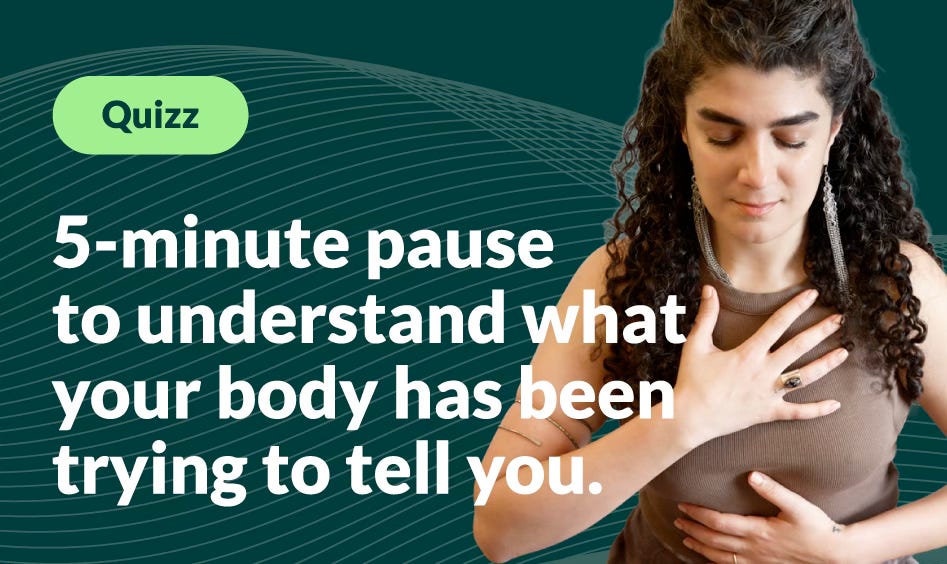
The way we hold ourselves matters. Not just because of how it looks. But because it shapes how we live, how we relate, and what we’re capable of imagining. Let your body speak. Let it interrupt the collective war and offer you a new way of being entirely.
Start Your Unconditioning Path ↓
A 16-week journey that combines nervous system regulation, breathwork, and posture-focused strength training to address the root cause of your pain, not just symptoms.
Thank you for joining me on the path of unconditioning,
––––––––––––––––––
Hedi Shah
––––––––––––––––––
👁️ Mindfulness Teacher & Bodyworker
🐉 Nervous system regulation, breathwork, and posture-focused strength training to target the cause of what keeps you stuck and in pain, not just symptoms.
📲 Website | Youtube | LinkedIn | Insight Timer